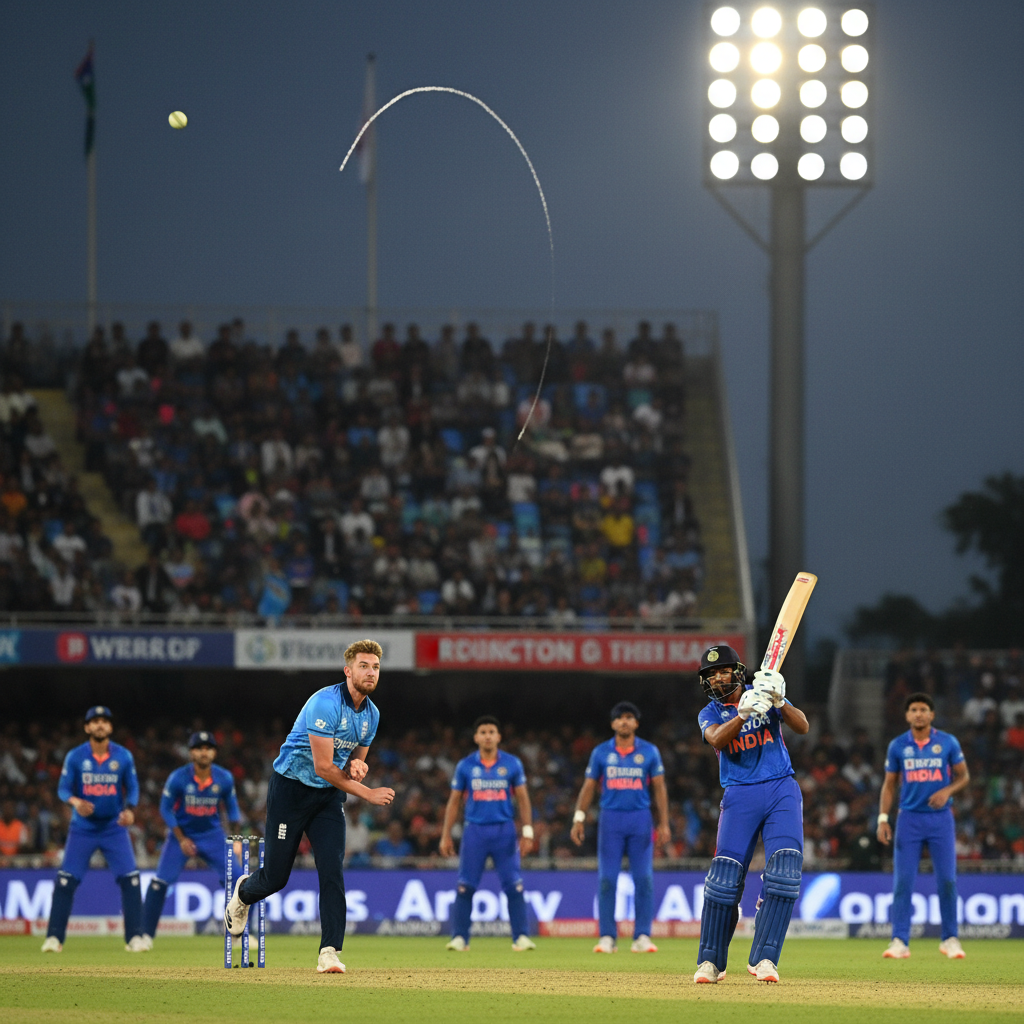
LONDON — Test cricket, the oldest and most traditional format of the game, is facing a growing crisis: slow over-rates. The recent England-India Test series highlighted this issue, with matches frequently falling behind schedule, frustrating fans and stakeholders alike. BBC Sport examines the root causes and explores potential solutions to keep the game moving.
The Problem: Why Are Over-Rates Slowing Down?
Test cricket has always been a slow-burning spectacle, but recent years have seen over-rates drop to alarming levels. During the England-India series, matches regularly fell short of the mandated 90 overs per day, with some days seeing as few as 75 overs bowled. The reasons are multifaceted:
- Extended DRS Reviews: The Decision Review System (DRS), while valuable, often leads to lengthy deliberations.
- Bowler Tactics: Fast bowlers, in particular, take longer between deliveries to recover stamina.
- Batsman Delays: Batsmen frequently step away, adjust equipment, or engage in lengthy discussions.
- Commercial Breaks: Increased advertising slots, especially during televised matches, eat into playing time.
Former England captain Michael Vaughan voiced his frustration on BBC Test Match Special: "It’s unacceptable. Fans pay good money to watch a full day’s play, and they’re being short-changed. The ICC needs to take stronger action."
The Consequences: Penalties and Fan Backlash
The International Cricket Council (ICC) has attempted to curb slow over-rates with financial penalties. Teams are fined 20% of their match fee for every over they fall short. In extreme cases, captains face suspension. However, critics argue these measures are ineffective. "Fines don’t hurt enough," says former Australian spinner Shane Warne. "Top players earn millions—losing a few thousand won’t change behavior."
Fans, too, are growing impatient. Social media erupted during the England-India series, with hashtags like #SpeedItUp trending. One fan tweeted: "I love Test cricket, but waiting 5 minutes between balls is killing the vibe."
Possible Solutions: What Can Be Done?
1. Stricter Penalties
Many argue that fines should be replaced with harsher penalties, such as:
- Deducting World Test Championship (WTC) Points: A sliding scale where teams lose points for repeated offenses.
- Suspensions: Captains or bowlers who consistently slow play could face match bans.
2. On-Field Changes
Adjusting gameplay rules could also help:
- Automatic Timers: Enforce a strict 30-second limit between deliveries, with warnings for violations.
- Limit DRS Reviews: Reduce the number of reviews per innings to cut down on delays.
3. Structural Reforms
Long-term solutions may require deeper changes:
- Day-Night Tests: More matches under lights could ease time pressures.
- Four-Day Tests: A controversial idea, but some argue it would force faster play.
India’s head coach Rahul Dravid weighed in: "We need balance. Test cricket’s beauty is its patience, but we can’t ignore modern audiences. Small tweaks could make a big difference."
Conclusion: Time for Action
The slow over-rate issue threatens Test cricket’s future. While purists argue against drastic changes, the sport must adapt to retain its fanbase. As former ICC CEO Dave Richardson noted: "Cricket is competing with faster sports. If we don’t address this, we risk losing a generation of viewers."
The England-India series was a wake-up call. Whether through penalties, rule changes, or innovation, cricket’s stakeholders must act swiftly—before the problem becomes irreversible.