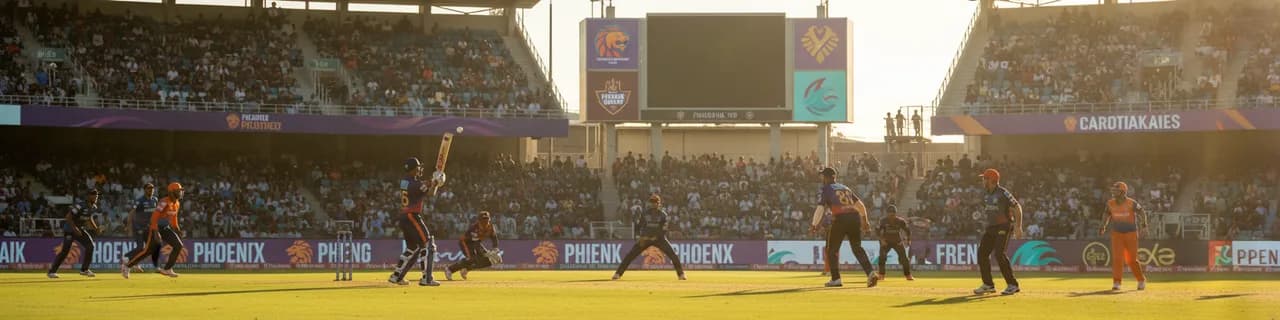
CARDIFF — Glamorgan Cricket Club has hailed a landmark investment deal for Welsh Fire in The Hundred as a transformative moment for the sport in Wales. The agreement, which sees private equity firm Bridgepoint Group acquire a 25% stake in the Cardiff-based franchise, is expected to inject fresh capital and commercial expertise into Welsh cricket’s flagship team.
A Financial Lifeline for Welsh Cricket
The deal, reportedly worth £5 million, arrives at a critical juncture for Welsh cricket. Glamorgan CEO Hugh Morris described it as "a game-changer for our ambitions to grow the sport across Wales." The investment will be split between Welsh Fire’s operational budget and grassroots development, with Glamorgan retaining majority ownership (75%) and control over cricketing decisions. Key benefits include:
- Expanded scouting and talent pathways for Welsh players
- Enhanced marketing to boost matchday attendance
- Investment in women’s cricket via The Hundred’s dual-gender format
The Hundred’s Role in Welsh Cricket
Since its 2021 launch, The Hundred has been a polarizing tournament, but its financial impact is undeniable. Welsh Fire’s matches at Sophia Gardens drew an average crowd of 12,500 in 2023—a 15% increase from 2022. Morris emphasized, "This isn’t just about one team; it’s about creating a pipeline for Welsh talent to thrive on a national stage." The franchise has already integrated local players like fast bowler Dan Douthwaite and batter Kiran Carlson.
Grassroots Implications
A portion of the Bridgepoint funds will target youth cricket, addressing Wales’ historic underrepresentation in England’s talent system. Only 3 of the 18 first-class counties are Welsh, and Glamorgan remains the sole Welsh side in domestic competitions. The investment aims to:
- Double participation in Cricket Wales’ school programs by 2027
- Establish two new urban cricket hubs in Swansea and Newport
- Fund scholarships for Welsh players at Loughborough University’s cricket academy
Challenges and Skepticism
Not all reactions have been optimistic. Critics argue The Hundred’s franchise model sidelines traditional counties. Former Glamorgan captain Robert Croft warned, "If we’re not careful, Welsh Fire could overshadow Glamorgan in the public’s mind—that’d be a disaster for our red-ball future." Others question whether private investors will prioritize short-term profits over long-term development.
The ECB’s role also faces scrutiny. While The Hundred’s revenue-sharing model distributes profits to all 18 counties, Glamorgan receives a smaller share than larger clubs like Surrey or Lancashire. Morris acknowledged, "We’re fighting for fairness. This deal helps, but structural inequalities remain."
The Road Ahead
With Bridgepoint’s expertise in sports investments (including Formula E and MotoGP), Welsh Fire aims to expand its commercial partnerships. Talks are underway with Welsh breweries and tourism boards to leverage the team’s brand. On the field, the franchise targets playoff qualification in 2024 after finishing sixth last season.
The deal’s success hinges on balancing immediate gains with sustainable growth. As Morris put it, "This isn’t a quick fix. It’s about building a legacy where every child in Wales sees cricket as their sport." For a nation with just 33 cricket clubs, the stakes couldn’t be higher.
In the coming months, scrutiny will intensify as Glamorgan navigates its dual identity: a historic county club and the custodian of Wales’ only major franchise. The Bridgepoint deal offers hope, but as Croft cautioned, "Money alone won’t solve Welsh cricket’s challenges—vision will."
With the 2024 Hundred season kicking off in July, all eyes will be on Sophia Gardens. For Welsh cricket, this partnership could be the spark that reignites the game—or a missed opportunity to address deeper systemic issues.