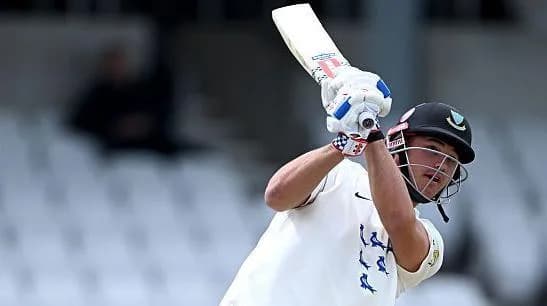

LONDON — Since its explosive debut in 2021, The Hundred has carved a unique space in the crowded summer sporting calendar. But with its initial five-year cycle concluding in 2025, the question on everyone's mind is: what comes next? BBC Sport's Ask Me Anything team has delved into the plans, proposals, and predictions to outline what cricket's most divisive competition is expected to look like for the 2026 season and beyond.
The tournament's future is currently the subject of intense negotiation between the England and Wales Cricket Board (ECB), the first-class counties, and the host venues. The core structure is likely to remain, but significant evolution is anticipated in three key areas: team ownership, the competition's format and schedule, and its integration within the wider English cricket ecosystem.
A New Era of Private Investment
The most seismic shift expected for 2026 is the introduction of private investment into the eight teams. The ECB has been actively exploring a move away from the current model, where teams are effectively run by the host venues, towards a franchise system with sold equity stakes. This is seen as crucial for the long-term financial sustainability and global growth of The Hundred. An ECB spokesperson recently stated, "We are in positive discussions with a range of potential partners who see the immense value and global potential of these teams."
This transition is not without its complexities. Key questions remain:
- Valuation: How much is each team worth, and what percentage will be sold?
- Control: How will operational control be shared between new owners, the ECB, and the host counties?
- Geographical Ties: Will private ownership strengthen or dilute the regional identities of the teams?
The target is to have new investment partners secured by the end of 2024, allowing a two-year runway to integrate them before the 2026 season kicks off. This influx of capital is expected to directly increase player salaries, expand marketing efforts, and enhance the fan experience at grounds.
Schedule, Format, and Player Availability
The congested nature of the English summer has been a constant challenge. For 2026, we anticipate a more streamlined calendar that provides The Hundred with a clearer window, reducing fixture clashes with the Vitality Blast and the County Championship. The competition will likely retain its 100-ball, 100-ball-per-side format, as this unique selling point is now well-established.
The International Calendar Conundrum
A major point of discussion is ensuring the best English players are available for the entire tournament. Currently, overlapping international series can deprive teams of their marquee domestic stars. The ECB is working with the International Cricket Council (ICC) and other national boards to create a more dedicated window. "The goal is to have our top men's and women's players central to their teams for the full duration," a source within the ECB told BBC Sport.
For the women's competition, which has been a resounding success, 2026 is likely to see further growth. Expectations include:
- More Games: A potential expansion from the current 8 group games per team.
- Dedicated Venues: More matches being played at the main grounds, not outer venues.
- Salary Increases: Continued narrowing of the pay gap with the men's competition, attracting even more global talent.
Integration and The County Game
A primary criticism of The Hundred has been its perceived negative impact on the existing 18 first-class counties. The 2026 iteration is expected to feature mechanisms designed to better integrate the tournament and support the wider county structure. One proposal is a more formalized loan system between Hundred teams and counties, allowing for smoother player movement. Furthermore, a greater share of the revenue generated from private investment is expected to be distributed among all counties, not just the eight host venues. "The health of the entire game is paramount," emphasized one county chairman involved in the talks.
The talent pathway is also set for refinement. The current "Wildcard" draft pick, aimed at giving performing county players a chance, may be expanded. There is also a push to strengthen the link between the Hundred teams and their regional talent hubs, ensuring a clearer route for young English players to progress to the big stage.
Broadcasting and The Digital Experience
With the current broadcast deal with Sky Sports and the BBC also concluding after 2025, 2026 will usher in a new media rights agreement. While Sky is expected to remain the primary home, the ECB will be keen to explore opportunities with streaming services to maximize reach and revenue. The BBC's free-to-air coverage has been instrumental in introducing new audiences to cricket; its continued involvement is considered highly likely but will be subject to negotiation.
Beyond traditional broadcasting, the digital fan experience will be a major focus. Expect advancements in the official app, including more interactive features, enhanced behind-the-scenes content, and potentially even new ways to engage with the 100-ball action in real-time. The league will strive to solidify its reputation as cricket's most innovative and accessible format. As one digital executive put it, "We're not just competing with other sports for attention; we're competing with every other form of entertainment on a smartphone."
In conclusion, The Hundred in 2026 is poised to be a more mature, financially robust, and integrated competition. While its core, fast-paced identity will remain untouched, the structures around it are evolving significantly. The introduction of private investment is the game-changer, promising greater investment in players and fans alike. The challenge for the ECB will be to navigate this transition while maintaining the competitive balance and community feel that, despite its critics, The Hundred has successfully fostered in its first five years.