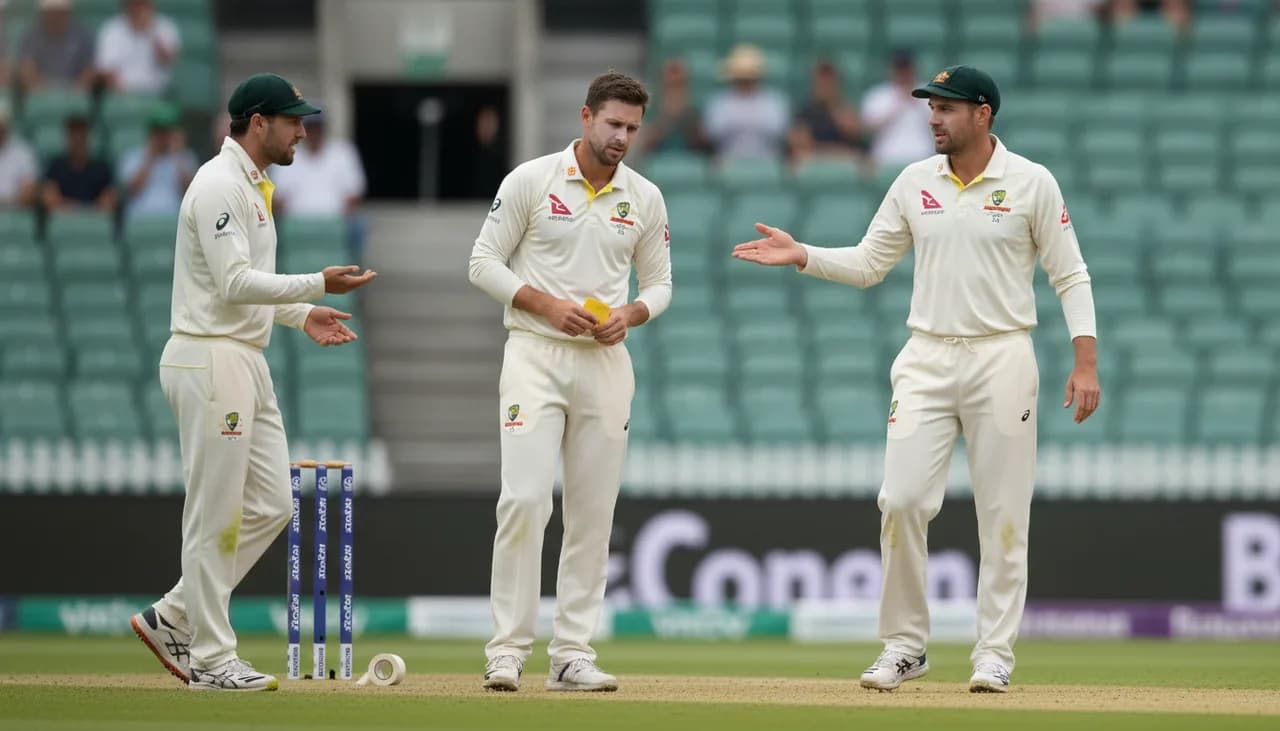
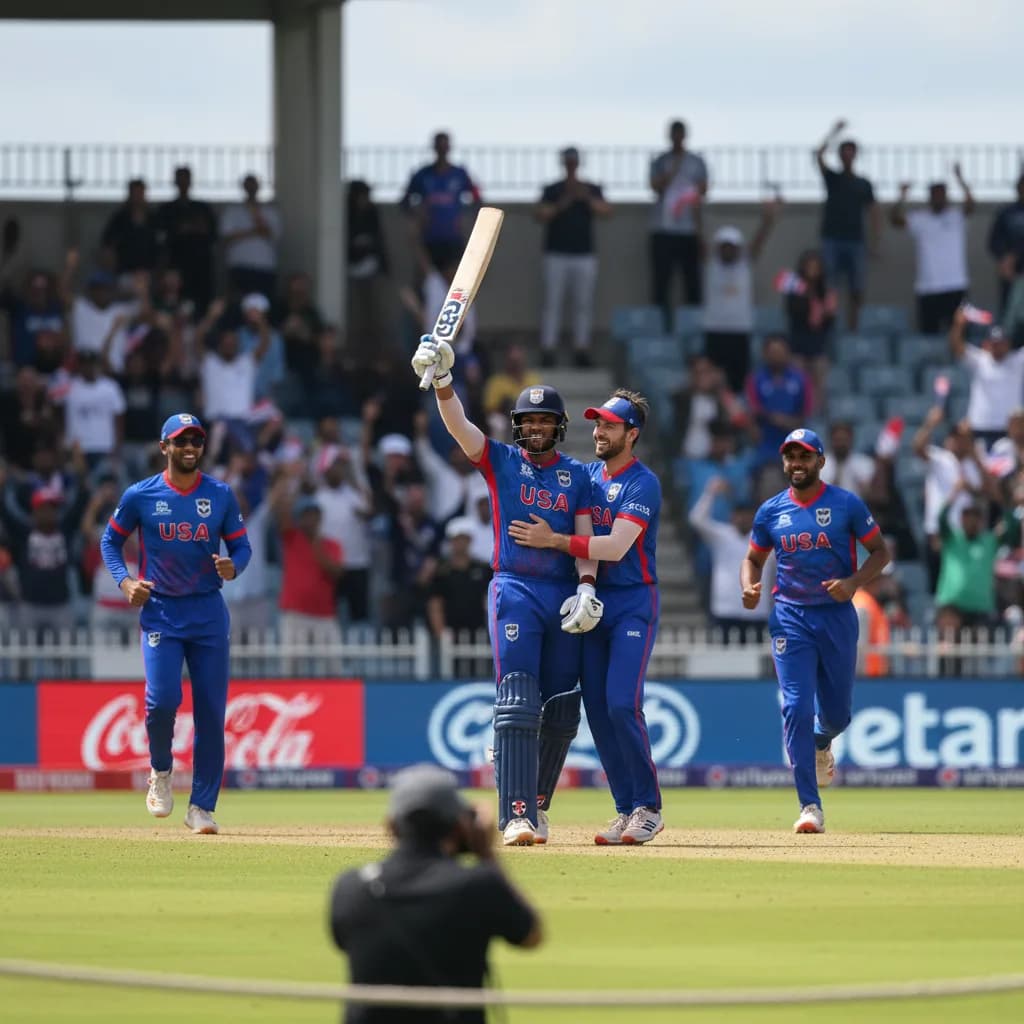
LONDON — To the casual cricket fan, the sight of an England batsman walking out to the crease can seem a study in anachronism. They wear pristine white flannels, a tradition harking back centuries, yet their head is encased in a modern, high-tech helmet. Gone is the iconic white sun hat or the classic cricket cap. This leads to a question that BBC Sport's Ask Me Anything team frequently encounters: Why don't England players wear caps while batting?
The simple, definitive answer is a matter of safety and regulation. In first-class, List A, and all professional cricket in England and Wales, batsmen (along with wicket-keepers standing up to the stumps and fielders close to the bat) are required by law to wear a safety helmet that complies with the latest British Standard (BS7928:2013). This isn't a stylistic choice or a team directive—it's a mandate from the England and Wales Cricket Board (ECB), embedded in the playing conditions to mitigate the risk of serious head injury.
The Evolution of Head Protection: From Caps to Carbon Fibre
To understand the current rule, one must look back. For the majority of cricket's history, head protection was minimal. The traditional cricket cap, often bearing the county or national team's badge, was a symbol of pride and achievement, awarded for representing one's side. However, its purpose was primarily to shield the eyes from the sun, not a hard cricket ball travelling at speeds in excess of 90 miles per hour. The dangers became tragically apparent over time.
The 1970s and 80s saw a revolution in protective gear, driven by the increasing pace of bowlers and a series of frightening incidents. The pivotal moment came in 1974 when England's Dennis Amiss, facing the ferocious pace of Jeff Thomson and Dennis Lillee, wore a motorcycle helmet under his cap. This makeshift solution sparked an industry. The first commercially available cricket helmet, made by helmet manufacturer Albion, was soon adopted. Early helmets were rudimentary, but they marked a fundamental shift in the game's approach to safety.
The tragic death of former Australian Test batsman Phillip Hughes in 2014, after being struck by a bouncer below the helmet, was a watershed moment for global cricket safety. It prompted an urgent review of helmet standards worldwide. The ECB's current regulations, which mandate helmets for all professional batters, are a direct legacy of this drive for maximum protection. As one former county player told the BBC, "The cap is a wonderful tradition, but tradition doesn't stop a fractured skull."
Decoding the ECB's Helmet Regulations
The ECB's directive is unambiguous and leaves no room for the romanticism of batting cap-free. The regulation states that approved helmets must be worn by:
- All batsmen facing the bowler or standing as a runner.
- Wicket-keepers standing up to the stumps.
- Fielders within six yards of the bat on the off side, and four yards on the leg side (with some positional exceptions).
The "approved" part is crucial. Helmets must meet the BS7928:2013 standard, which includes rigorous testing for impact resistance, particularly on the grille and the back of the helmet—areas highlighted as vulnerable after the Hughes incident. This standard is periodically reviewed and updated, making the flimsy caps of yesteryear utterly obsolete in the face of modern fast bowling. An ECB spokesperson emphasized, "Player welfare is our absolute priority. These regulations are not guidelines; they are enforceable conditions of play."
When Can a Cap Be Worn?
This does not mean the cricket cap has vanished entirely. You will still see England players wearing them in specific, safer contexts:
- Fielding in the outfield: Once a fielder moves beyond the mandatory helmet proximity, they often switch to a cap or sunhat for comfort and sun protection.
- While Bowling: Bowlers, of course, do not wear helmets while delivering the ball and often wear caps.
- Ceremonial & Off-Field: Caps remain a powerful ceremonial symbol. The presentation of an England cap is a sacred rite of passage for every debutant, a tangible link to the players who came before them.
The Cultural Shift and Player Perspective
The transition from optional extra to non-negotiable safety equipment has fundamentally changed batting culture. For players who grew up in the helmet era, it is simply part of the kit. Modern helmets are lightweight, well-ventilated, and designed for optimal vision—far removed from the clunky models of the 1980s. The psychological comfort they provide is immense, allowing batters to play the hook and pull shots with more confidence against short-pitched bowling.
This shift was not instantaneous. Older generations of fans and purists sometimes lament the loss of the cap's aesthetic, feeling it distances today's players from the game's history. However, as former England captain Sir Alastair Cook noted in a recent interview, "I loved being awarded my England cap. It sits in a frame at home. But when I walked out to bat, I never once thought about not wearing a helmet. It wasn't even a question. Your job is to score runs, and you need to be safe to do that."
The data supports this cultural lock-in. Serious head injuries to batters in the professional game have decreased significantly since the widespread adoption and subsequent mandating of helmets. While no equipment can eliminate risk entirely, the helmet is now as fundamental to a batsman's kit as pads or gloves. The debate, for those within the sport, is effectively closed.
Conclusion: Safety Trumps Symbolism
So, why don't England players wear caps while batting? Because the governing body has determined, with overwhelming medical and historical evidence, that the risk is unacceptable. The charming image of a batsman in a cap, hair ruffling in the breeze, belongs to a bygone era—an era before the physics of a cricket ball meeting a human skull were fully understood and addressed. The modern helmet is a testament to the game's evolution, prioritizing the long-term health of its participants.
The cricket cap endures as a powerful emblem of honour and team spirit, presented behind closed doors and worn with pride when safety allows. But at the moment of confrontation between bat and ball, where milliseconds and millimetres matter, its place is firmly on the head of a fielder on the boundary, or in a display case—not on the head of a batter facing a fast bowler. In the final analysis, the rule is a simple one: tradition must always yield to safety.