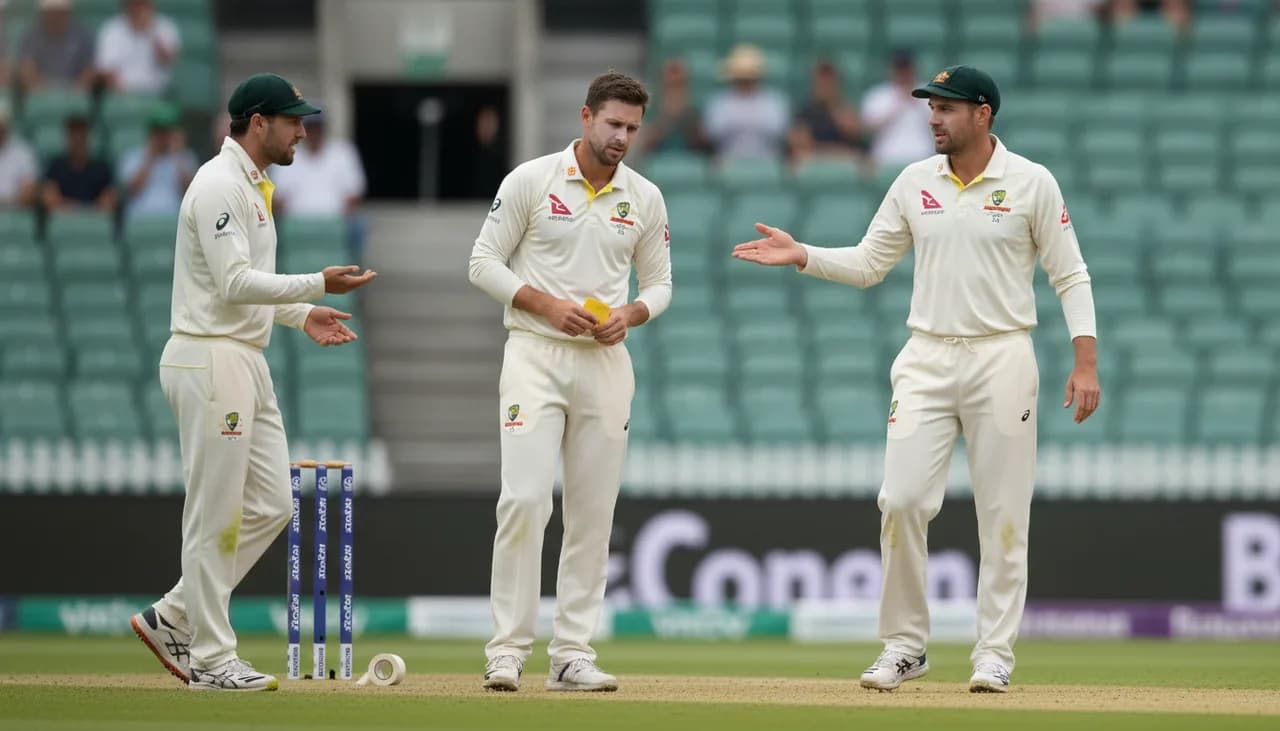

HARARE — For over a decade, the story of Zimbabwean cricket was one of heartbreaking decline. A team that once boasted world-class talents like Andy Flower, Heath Streak, and the explosive Brendan Taylor seemed trapped in a cycle of administrative chaos, player exoduses, and heartbreaking near-misses. Their absence from major ICC events became a painful norm, a symbol of unfulfilled potential. Yet, as the 2026 T20 World Cup approaches, a profound and stirring narrative is unfolding. Zimbabwe, against all odds, is not just back on the biggest stage; they are arriving with a swagger, a cohesive unit, and a nation’s rekindled belief firmly behind them. This is the story of a phoenix rising from the ashes.
The Wilderness Years: A Descent into Chaos
The roots of Zimbabwe's cricketing abyss are complex, but a toxic blend of political interference, financial mismanagement, and a fractured relationship with the players was central. The nadir came in the late 2010s and early 2020s. A player strike in 2019, led by then-captain Graeme Cremer, highlighted the dire financial conditions and lack of trust in Zimbabwe Cricket (ZC). The ICC’s subsequent suspension of ZC in 2019 over government interference was a devastating blow, cutting off vital funding and casting the sport into existential doubt. During this period, the talent drain was crippling:
- The mass exodus of a generation: Players like Kyle Jarvis, Brendan Taylor, and Sikandar Raza (temporarily) sought opportunities abroad, depleting the core of the side.
- Missed qualifications: Heartbreaking failures to qualify for the 2019 and 2023 ODI World Cups, including a shocking loss to Scotland, felt like salt in the wounds.
- A loss of identity: The team often appeared dispirited, lacking the fighting spirit that had once defined them, as defeats piled up against both top-tier and associate nations.
The Turning Point: Administration and Unity
Rescue began with the ICC reinstating ZC in 2020, but real change required new leadership. The appointment of Givemore Makoni as Managing Director and a more professional, cricketer-centric board marked a crucial shift. Stability off the field allowed for a plan to be built on it. Central contracts were reinstated and honored, creating security for players. Perhaps most importantly, a conscious effort was made to heal rifts and bring key players back into the fold. The return of Sikandar Raza—transformed from a fringe player into a global T20 superstar—became the emotional and tactical cornerstone of the resurgence.
The Lalchand Rajput & Dave Houghton Era: Instilling Belief
Coaching played a pivotal role. Lalchand Rajput, and later the legendary former captain Dave Houghton, focused not just on technique, but on mindset. Houghton, a beloved figure in Zimbabwean cricket, understood the nation’s cricketing soul. He stripped away fear and instilled a proactive, aggressive brand of cricket. His mantra was simple: play without fear of failure. Under this guidance, players like Wessly Madhevere, Milton Shumba, and Blessing Muzarabani began to flourish, blending with experienced heads like Raza, Sean Williams, and Craig Ervine.
The 2022 T20 World Cup Catalyst
The first tangible fruit of this rebuild was qualification for the 2022 T20 World Cup in Australia. There, Zimbabwe announced their return with authority. A stunning last-ball victory over Pakistan, fueled by a nerveless finish from Brad Evans and a magical spell from Raza, sent shockwaves through the tournament. They ran eventual champions England close and competed fiercely in every match. The world took notice. Raza captured the new spirit perfectly after the Pakistan win, stating, "This win is not just for the team, it's for every Zimbabwean who has stood by us through the tough times. It shows that when we believe, we can achieve anything."
The New Generation: A Fearless Identity
Today’s Zimbabwe side is a compelling mix of experience and exciting youth, all playing with a clear, fearless identity. The batting is no longer overly reliant on one or two players. Captain Craig Ervine provides calm authority, while the explosive Ryan Burl and the innovative Clive Madande offer firepower. The bowling attack, once a weakness, is now a potent weapon. The towering Blessing Muzarabani and the crafty Richard Ngarava form a formidable new-ball pair, backed by the world-class spin-all-round prowess of Sikandar Raza and Wellington Masakadza. This balanced attack allows Zimbabwe to compete in all conditions.
Road to 2026: Qualification and Beyond
Qualification for the 2024 T20 World Cup was achieved with dominant ease, a sign of their newfound consistency and status as a top associate nation. But the 2026 event, to be co-hosted in India and Sri Lanka, is the true target. The team is no longer just happy to participate; they are building to compete and cause upsets. A more robust domestic structure, the Zimbabwe Premier League (ZPL), is providing a platform for local talent. Strategic tours and hosting responsibilities are sharpening their skills against full-member nations. The goal is clear: to be a permanent, competitive fixture at world events.
The journey is encapsulated by the words of Dave Houghton, who recently reflected, "We've been through the fire. The boys have seen the worst of it. Now, they play with a freedom and a joy that comes from knowing what they've overcome. We're not a finished product, but we are a dangerous team for anyone to face because we play with heart." From the brink of oblivion to a World Cup resurgence, Zimbabwean cricket has authored one of sport’s great comeback stories. As they march towards 2026, they carry not just the hopes of a nation, but the hard-earned respect of the cricketing world, finally reclaimed after a long, dark night in the wilderness.