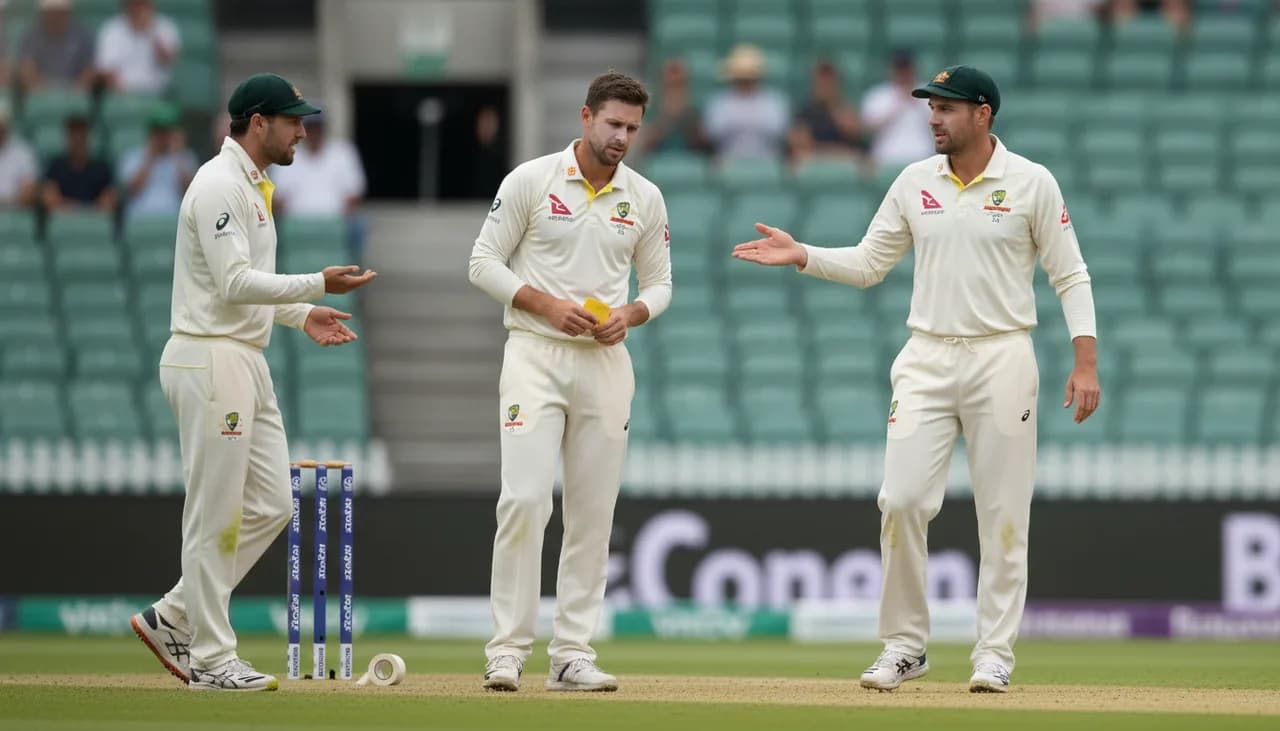
In 25 years of watching and working in cricket, I cannot recall a touring side imploding quite so dramatically as Pakistan have done in the space of a fortnight. Two matches into their Test series against England, the tourists have torn up their squad, sent home their head coach, and handed debuts to five players who have never pulled on a Test whites. It is, by any measure, a seismic response — and one that raises as many questions as it answers ahead of the third and final match at Edgbaston, which gets underway on 9 September.
A Series to Forget — Quickly
The numbers do not lie, and for Pakistan they make for grim reading. A defeat by an innings at Headingley was followed by a 194-run hammering at Lord's, and in all four of their innings across those two Tests, Pakistan failed to reach 200. That consistent failure with the bat tells you everything about the structural problems this side has been carrying. England, meanwhile, look a different team on home soil — organised, aggressive, and utterly clinical. Whatever Pakistan try at Edgbaston, they face a steep mountain.
The Axe Falls — And Falls Hard
Among those dropped are several familiar names. Muhammad Rizwan, one of Pakistan's most experienced wicketkeepers and batters, has been sent home alongside opener Imam-ul-Haq and all-rounder Salman Ali Agha, who had captained the side in the first Test while regular skipper Babar Azam was injured. Seamer Khurram Shahzad and Ali Usman also depart, as do Aamir Jamal and Muhammad Awais Jafar — two players who did not even feature in either match. Seven players out in one go, mid-tour. Extraordinary doesn't quite cover it.
In their place come seven new faces. Saim Ayub and Abdullah Fazal bring some previous Test experience, but the really eyebrow-raising additions are the five uncapped players: spin-bowling all-rounder Arafat Minhas, left-arm seamer Mohammed Imran Jr, wicketkeeper Said Baig, and all-rounders Mohammad Imran and Razaullah. Throwing untested talent into an already wounded side, away from home, against a buoyant England team, is a high-risk gamble that will define several careers before Edgbaston is done.
Sarfaraz and Gul Pay the Price
Head coach Sarfaraz Ahmed — himself a former Pakistan captain with enormous experience of Test cricket — has been released along with his assistant Umar Gul. White-ball coach Mike Hesson steps up to take the reins for the final Test, joined by former Australia seamer Ashley Noffke. It is a strange appointment in some respects; Hesson's background is heavily weighted towards the shorter formats, and asking him to steady a sinking Test ship in the space of a few days is no small ask. That said, sometimes a fresh voice in the dressing room can unlock something — though the talent has to be there to begin with.
A Pattern of Chaos — But History Offers Hope
Pakistan's tendency to make dramatic, reactive decisions after defeats is well documented. During England's 2024 tour of Pakistan, the hosts famously responded to losing the first Test — in which England posted over 800 — by playing the second match on the same pitch, reportedly using garden heaters to dry the surface. Eccentric as that was, Pakistan went on to win the series 2-1. Chaos, it seems, occasionally suits them. For those keeping an eye on the betting markets, this shake-up is unlikely to shorten Pakistan's series odds significantly — England remain heavy favourites to complete a 3-0 whitewash — but the sheer unpredictability of this new-look side makes the Edgbaston match well worth watching. Pakistan have not won a Test series in the UK for 30 years, and nothing about this week suggests that drought is about to end.
Whether this radical overhaul represents genuine forward thinking or blind panic, only the third Test will tell. What is certain is that Pakistan cricket rarely does things quietly — and their supporters, long accustomed to drama, will be hoping this particular storm clears just in time for Birmingham.